
THE WATER THAT UNITED BOKOKO
A Crisis Hidden in Plain Sight
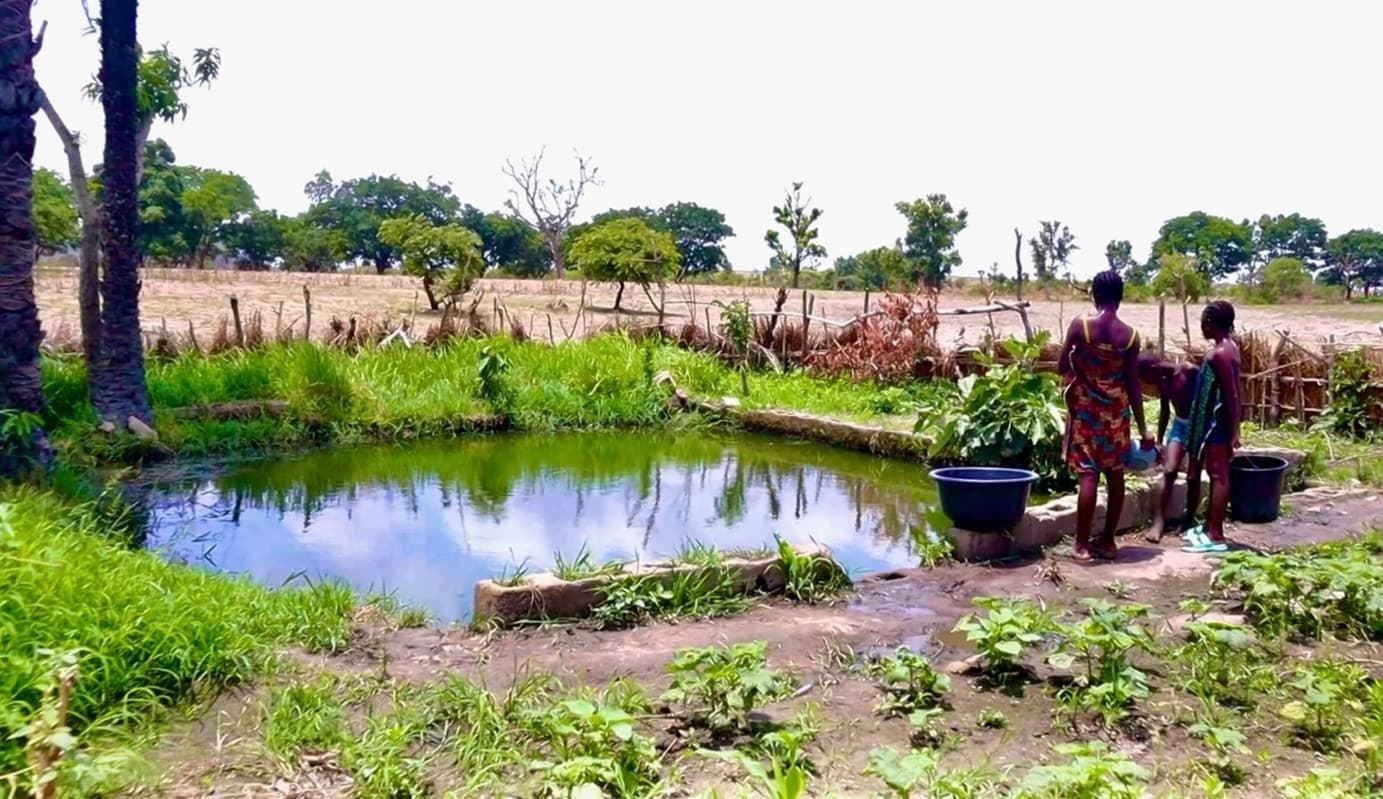
For as long as anyone in Bokoko could remember, the community’s only water source was an open well. Everyone used it. Everyone knew what it was doing. And for generations, no one had the power to change it.
Every rainy season followed the same script. Diarrhoea. Typhoid. Sometimes cholera. Parents weighing which sick child needed the clinic most. Families taking on debt for medicine they could barely afford. Mothers walking hours to fetch water that they already knew would make their children ill. Village Chief Sallau Habu, 67, has carried this memory for decades: “Every rainy season, the diseases would come. Especially the children – always the children.”
The numbers behind that memory are stark. Between 180 and 220 waterborne disease cases per year. Thirty-five to forty percent of children under five hospitalised annually. Two to three child deaths every year from preventable waterborne illness. Across 180 households, ₦2.5 to ₦3 million spent on medical bills each year – money that could have gone into seeds, school fees, or the slow accumulation of a better future. An average of 12 school days lost per student, per year, to illness.
Patricia Stephen, a mother of five, captures the particular cruelty of this kind of poverty:
“We knew the water was killing us. But what choice did we have?”
A Farm Programme That Understood the Real Constraint
When Project Juriya established a regenerative agriculture demonstration plot in Bokoko in 2023, the field team recognised immediately that farming was not the primary problem. The water was. You cannot teach farmers new techniques when half the day is consumed by water collection and the other half by caring for sick children. The farm programme would only work if the health crisis was addressed first.
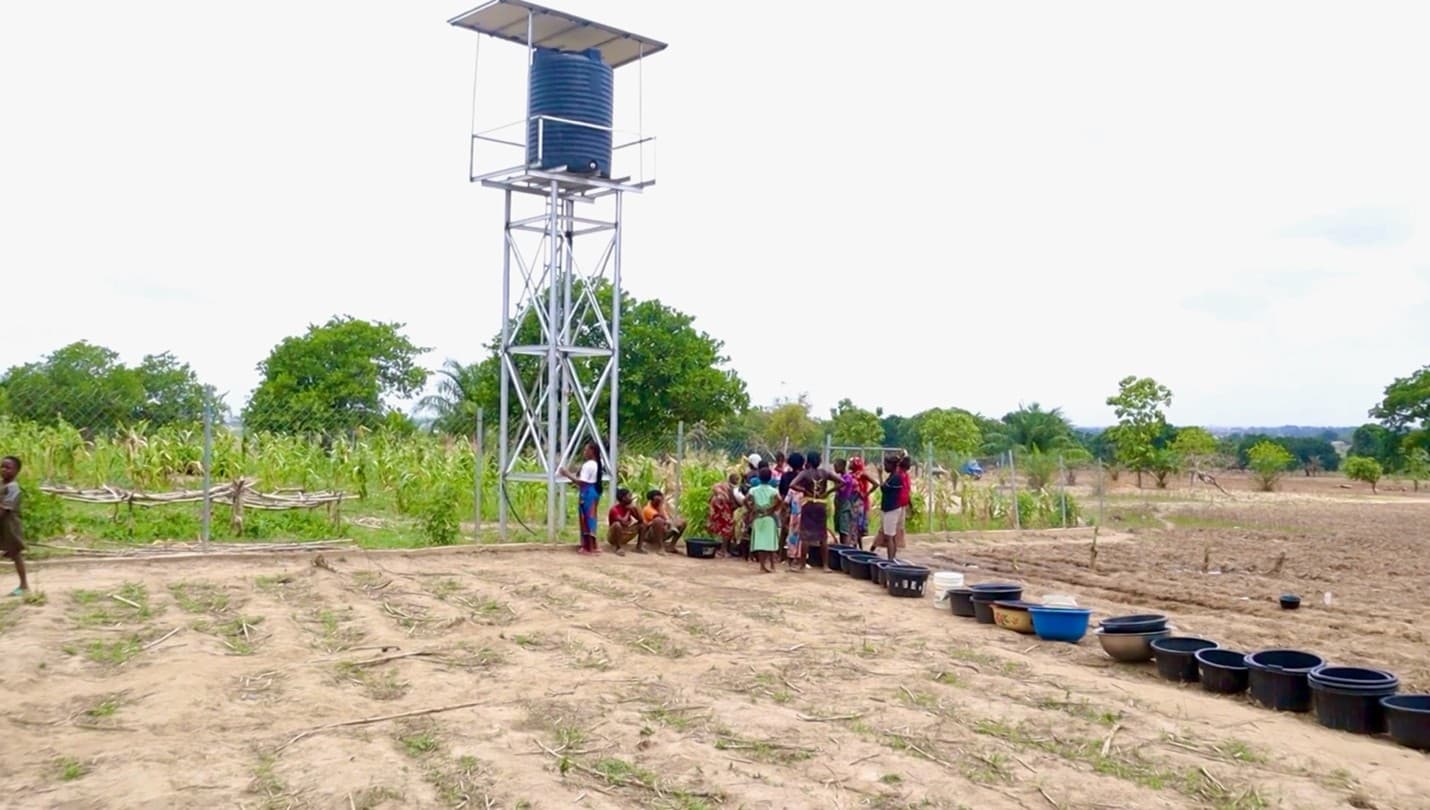
The solution that emerged was not originally designed as a community intervention. A 50-metre borehole was drilled at the demonstration plot to provide irrigation for the site. But the field team made a decision that changed everything: the water would be shared. From the first day of installation, the community was told that the borehole – the solar-powered pump, the 5,000-litre storage tank, the distribution points – was also for drinking, for families, for health.
An agricultural investment became something far larger. Alongside the water infrastructure, the demonstration plot was established as a one-hectare training ground for soil health, composting, intercropping, and agroforestry. And a community management structure was built around both: a committee of 50 members – 40 women, 10 men – given authority over usage protocols, maintenance responsibilities, and the financial system designed to sustain the infrastructure indefinitely.
What Three Months Changed
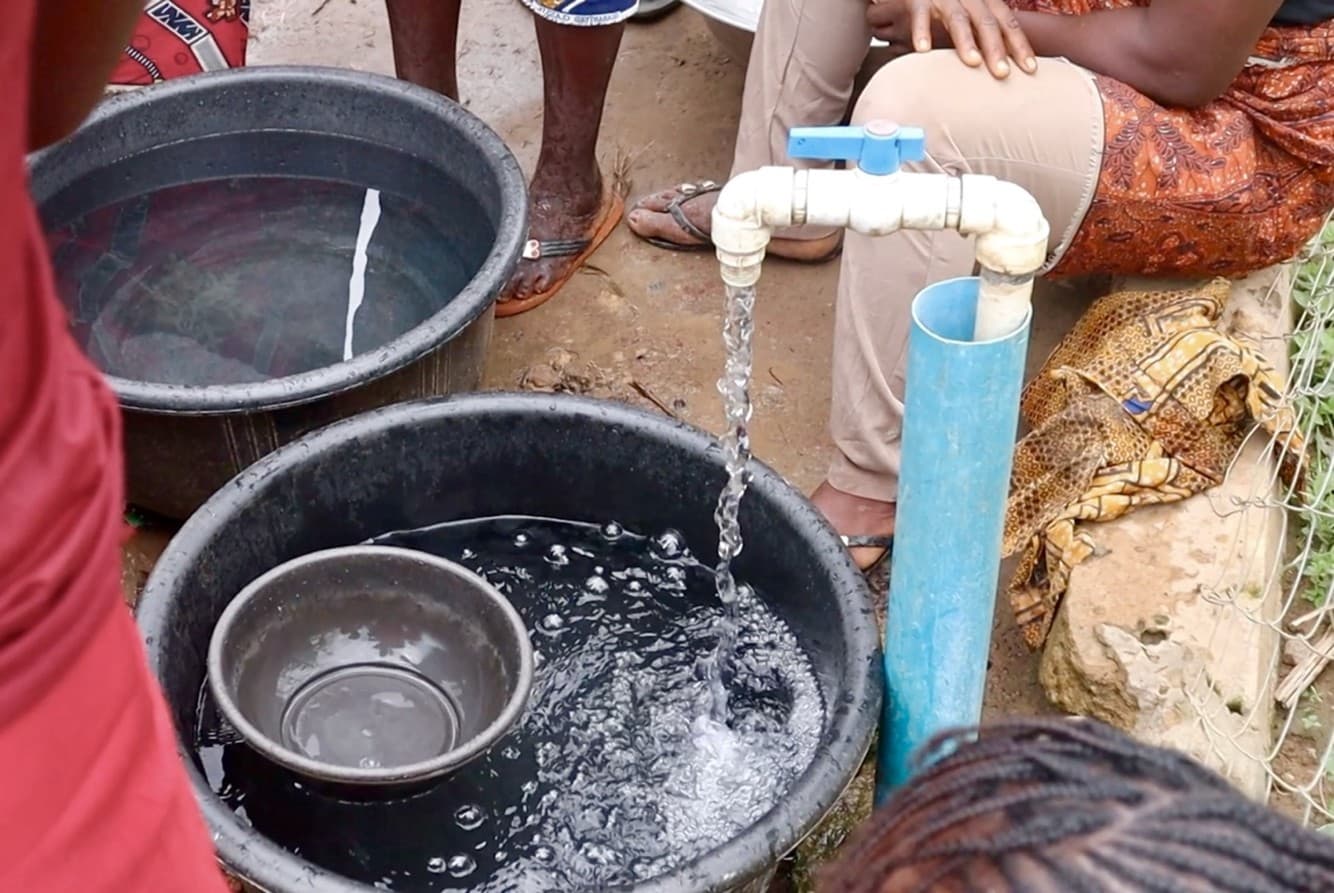
The reversal was not gradual. Within three months of the borehole becoming operational in July 2023, Bokoko’s health crisis effectively ended.
By 2024, annual waterborne disease cases had fallen from 180–220 to between 12 and 18 – a 90 percent reduction. Child hospitalisation rates dropped from 35–40 percent to 4–6 percent. Community-wide medical costs collapsed from ₦2.5–3 million annually to ₦200,000. In 18 months, there were zero child deaths from waterborne disease – against a baseline of 2–3 every single year.
For Patricia Stephen, the abstraction of statistics gives way to something immediate: “The hospital trips stopped almost immediately. In 2022, I spent ₦28,000 on medical bills. In 2024, maybe ₦2,000. My children – look at them now. Healthy, in school, playing.”
Where the Real Transformation Began
When disease is the dominant force in a community’s economy, money flows in only one direction: out. Medical bills, transport to clinics, lost workdays, the slow erosion of every small saving. In Bokoko, the health burden was consuming an estimated ₦5.94 million across 180 households every year – money that simply vanished into illness.
Clean water stopped that haemorrhage. Each household now saves an average of ₦13,500 annually in reduced medical costs. Add the economic value of time previously spent water-fetching, and the productivity recovered from fewer sick days, and the figure reaches ₦33,000 per household per year. Community-wide, nearly ₦6 million is now available for something other than survival.
Chief Sallau observed what happened to that money with quiet satisfaction: “It went into better seeds, house repairs, school supplies, small businesses. The health money became investment money.”
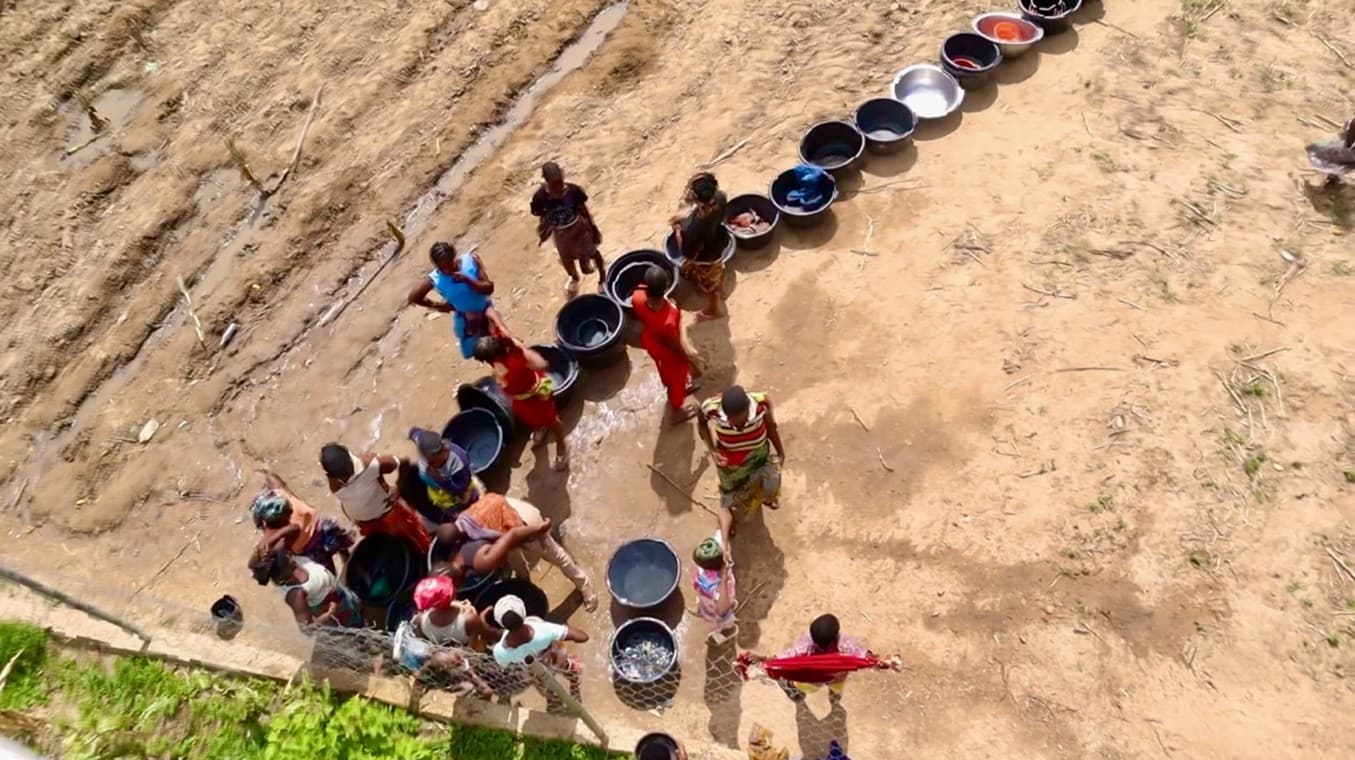
Time, too, was liberated. Before the borehole, collecting water consumed three to four and a half hours of every household’s day – almost entirely carried by women and children, often from long distances. Today that same task takes 30 to 40 minutes. The hours recovered are not a small thing. They are the difference between a girl attending school and a girl fetching water. Aisha, 14, knows this precisely: “Now I’m in school every day. Last term, I was third in my class. Before, I was always struggling because I was too tired.”
A Community That Will Not Go Back
Something shifted in Bokoko that cannot be measured in medical costs or school attendance. The community that had lived for generations with water that was killing them found, in the act of protecting clean water, a new relationship with their own future.
The management committee of 50 members – 80 percent of them women – governs the borehole with a seriousness that speaks to how much they understand what they now have. There is an informal 24-hour security rotation. Zero tolerance for any interference with the infrastructure. Immediate reporting of any mechanical issue. Proactive maintenance. The community is already raising funds for a second distribution point.
Rosemary, one of the committee members, speaks for the whole community when she says: “We will never go back to that dirty well. Never. My children will not drink contaminated water. We will protect this borehole with everything we have.” The committee generates ₦108,000 annually through its own cost-recovery mechanism – enough to cover operational costs entirely without external support. The infrastructure is owned by the community. It is managed by the community. It is financed by the community. Project Juriya built it and handed it over. What Bokoko has built around it belongs entirely to them.
A Community Transformed Across Every Dimension
The downstream effects of clean water reached further than health alone. With time freed and illness receding, farmer training participation became possible for the first time. Today, 96 percent of Bokoko’s 180 households have adopted regenerative agriculture practices through Project Juriya’s SCL AGRICORE programme – a figure that would have been unthinkable before the water crisis was resolved. Women who could not attend field schools because they were fetching water or nursing sick children are now among the most active participants in seasonal training. The demonstration plot that anchored the borehole installation has become the learning centre for an entire community’s agricultural transformation.
What began as a farm programme is now something harder to categorise and far more significant. It is a community whose children are alive and in school. Whose women lead. Whose households invest rather than survive. Whose members will, in their own words, protect what they have with everything they possess.
"The health money became investment money."
Chief Sallau Habu, Bokoko Village Chief